Some ingredients become famous overnight. Others spend centuries quietly waiting to be rediscovered.
Berberine belongs to the second group.
These days, you'll find it in wellness conversations, scientific research, and all over social media. But long before anyone was discussing supplements or metabolic health, berberine was already part of the botanical world.
And its story is far more interesting than another trending ingredient.
It all started with a little yellow
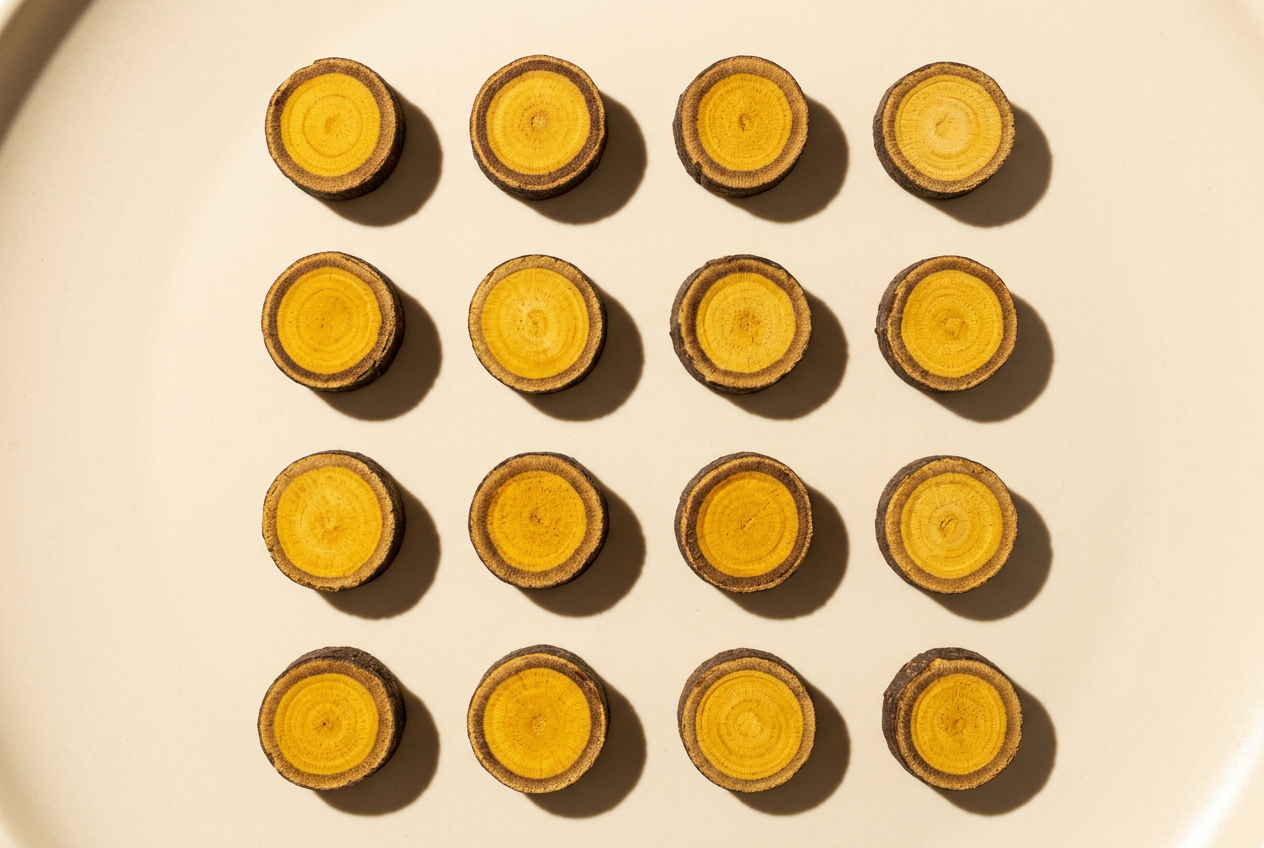
Imagine cutting into the root of a plant and discovering a brilliant golden-yellow color hiding inside.
That's one of berberine's most distinctive characteristics.
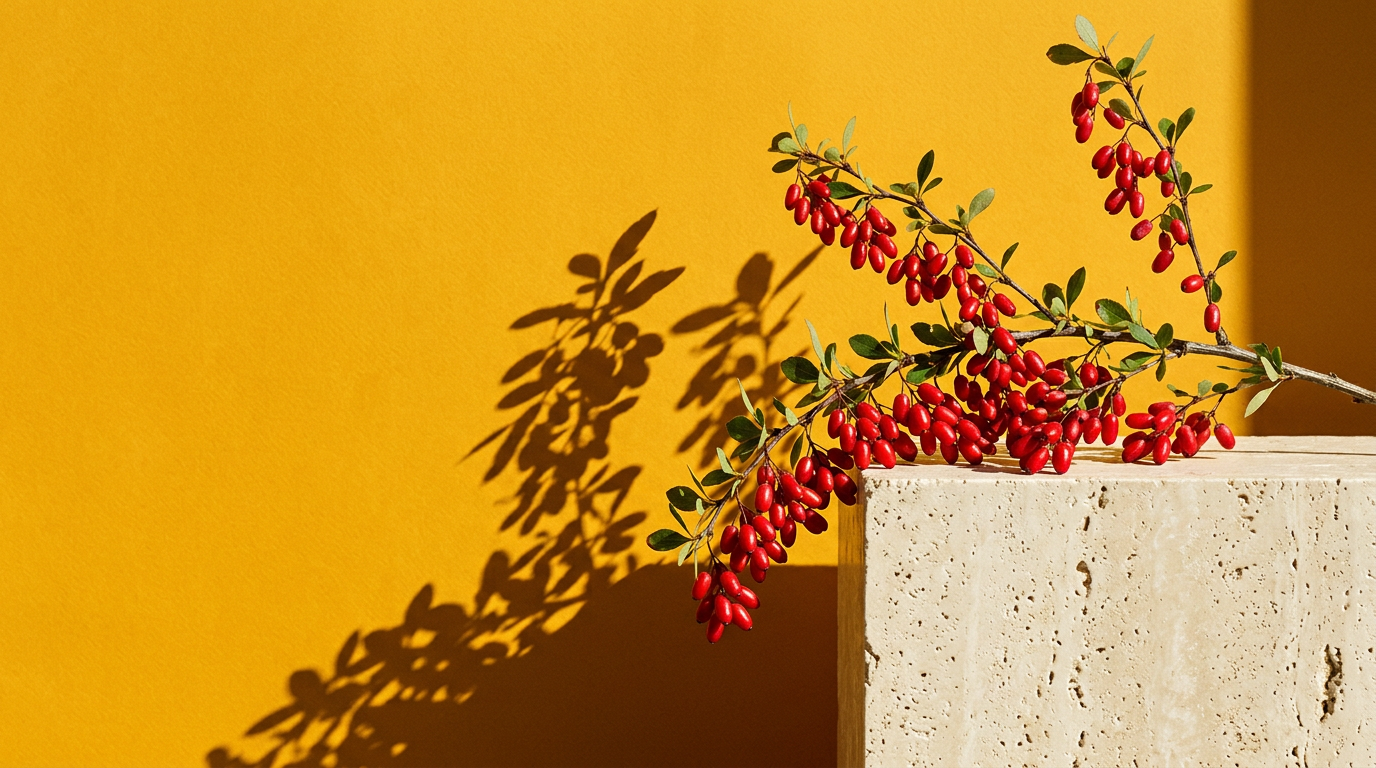
Berberine is a naturally occurring plant compound found in several species, including barberry, goldenseal, goldthread, and Oregon grape. It belongs to a family of compounds called alkaloids — naturally occurring substances that have fascinated botanists and scientists for generations.
Barberry
Goldenseal
Goldthread
Oregon grape
Long before modern laboratories existed, people were already working with these plants.
In traditional Chinese medicine and Ayurveda, berberine-containing botanicals had a long history of use. Their vivid yellow pigmentation also made certain plants valuable as natural dyes.
Of course, the people using these botanicals centuries ago weren't talking about molecular pathways or metabolic processes.
They were simply exploring what nature had to offer.
And centuries later, science decided to take a closer look.
So, why is everyone talking about berberine?
Here's where things get interesting.
Unlike many wellness trends built almost entirely around marketing, berberine has attracted genuine scientific attention.
Researchers have been studying its relationship with metabolism — the incredibly complex system that helps our bodies process nutrients and manage energy.
Human studies have explored berberine's effects on markers associated with glucose and lipid metabolism. Some results have been encouraging, although study quality varies and important questions remain about long-term effects.
Scientists are also investigating how berberine interacts with the gut microbiome, the vast community of microorganisms living in our digestive systems.
It's a fascinating area of research, partly because scientists are still discovering how deeply these microorganisms are connected to human physiology.
Does that mean berberine is some kind of miracle ingredient?
Not quite.
And that's an important part of the story.
What are the benefits of berberine, really?
The internet loves a dramatic wellness promise.
An ingredient gets discovered, a few studies make headlines, and suddenly it's being presented as the answer to everything.
Berberine hasn't escaped that treatment.
But real science tends to be more nuanced — and, frankly, more interesting.
The strongest areas of human research have centered on metabolic markers, including those related to blood glucose and cholesterol. Some clinical studies have reported favorable results, but researchers still need better-quality evidence to understand exactly where berberine may be useful, for whom, and over what period of time.
There's also an important distinction between studying a compound and proving that every supplement containing it produces the same results.
Formulation, dosage, individual health factors, and product quality all matter.
In other words, berberine is worth understanding. But it doesn't need exaggerated promises to be interesting.
The part about wellness we sometimes forget
Somewhere along the way, taking care of ourselves became surprisingly complicated.
Elaborate morning routines. Endless wellness trends. A new must-have ingredient every week.
But feeling good has never been about collecting as many supplements as possible.

It's about building a life that feels good to live.
Eating well. Moving regularly. Getting enough sleep. Spending time outdoors. Making choices that fit your body and your lifestyle.
And being curious about the ingredients you choose along the way.
We like to think of botanical wellness as part of that bigger picture. Not a replacement for the fundamentals, and certainly not a shortcut around them.
Just another way to approach everyday well-being with a little more intention.
Old roots. New perspective.
Perhaps the most compelling thing about berberine isn't the attention it's receiving today.
It's the journey.
A naturally occurring compound hidden in the roots and bark of plants. Centuries of botanical history. Generations of traditional knowledge. And now, a growing body of modern research asking new questions about something that has existed all along.
That's the kind of story we love at NUTRELICA.
Our approach brings together an appreciation for botanical ingredients, a curiosity about science, and a belief that everyday wellness should feel refreshingly uncomplicated.
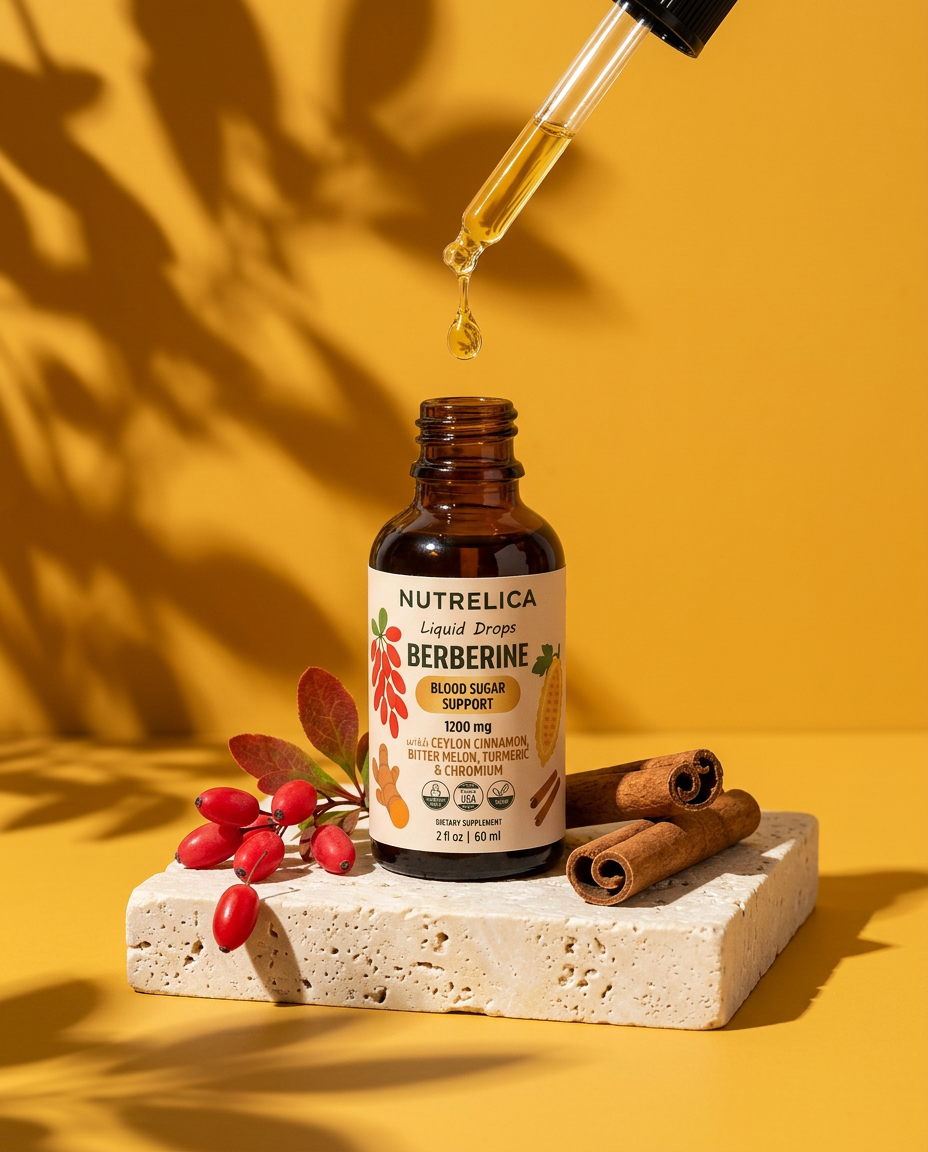
Our Berberine Drops are one expression of that philosophy — a botanical-inspired liquid supplement designed to fit into modern routines.
Because sometimes, looking forward begins with understanding what's been around all along.
Wild Science. Pure Wellness.